
Qual é a arte de desenhar?

O ato de desenhar é uma forma de expressão artística que tem fascinado e encantado pessoas ao redor do mundo por séculos. Através do uso de diferentes técnicas e materiais, os artistas conseguem transmitir suas emoções, ideias e visões de mundo em simples traços e cores.
Mas afinal, o que é a arte de desenhar? Neste artigo, vamos explorar a história e os fundamentos por trás dessa prática milenar, discutindo sua importância e os benefícios que pode trazer para quem se aventura nesse universo criativo.
A essência do desenho artístico.
A essência do desenho artístico está na capacidade de expressar ideias, emoções e sensações através de linhas, formas e técnicas. O desenho artístico vai além de simplesmente reproduzir a realidade, ele busca transmitir a visão única do artista, sua interpretação do mundo ao seu redor.
Por meio do desenho, o artista pode explorar sua criatividade, experimentar diferentes estilos e técnicas, e desenvolver sua linguagem visual. O desenho artístico também pode ser uma forma de comunicação poderosa, capaz de impactar e provocar reflexões no espectador.
Assim, a essência do desenho artístico reside na sua capacidade de transmitir beleza, emoção e significado de forma única e pessoal, tornando-se uma expressão autêntica do artista e de sua visão de mundo.
Arte de retratar animais selvagens
A arte de retratar animais selvagens consiste em capturar a essência e a beleza desses animais em desenhos ou pinturas. Para isso, é necessário ter um bom conhecimento da anatomia e do comportamento dos animais, além de dominar técnicas de desenho e pintura.
Os artistas que se dedicam a retratar animais selvagens geralmente passam muito tempo estudando esses animais em seu habitat natural, observando seus movimentos e interações. Eles buscam representar não apenas a aparência física dos animais, mas também sua personalidade e caráter.
Para criar um retrato realista de um animal selvagem, é importante prestar atenção aos detalhes, como a textura do pelo, as expressões faciais e a postura do animal. Além disso, é fundamental ter um bom controle das técnicas de sombreamento e proporção para dar vida à obra de arte.
Tipos de desenhos em arte.
Existem diversos tipos de desenhos na arte, cada um com suas características e finalidades específicas.
Alguns dos tipos de desenhos mais comuns incluem:
- Desenho de observação: Feito a partir da observação de um objeto real, esse tipo de desenho visa retratar fielmente o que está sendo observado.
- Desenho de imaginação: Criado a partir da imaginação do artista, esse tipo de desenho permite a liberdade criativa e a expressão pessoal.
- Desenho de caricatura: Caracterizado por exagerar as características de uma pessoa ou objeto, a caricatura é frequentemente usada para criar humor e crítica social.
- Desenho técnico: Utilizado principalmente em arquitetura e engenharia, o desenho técnico é preciso e detalhado, com o objetivo de transmitir informações de forma clara e objetiva.
Cada tipo de desenho exige habilidades e técnicas específicas, e pode ser explorado de diferentes maneiras na prática artística.
Tipos de Artes Visuais Essenciais
As artes visuais essenciais abordadas no artigo incluem:
- Desenho: A arte de representar imagens ou formas em uma superfície plana, utilizando técnicas como lápis, carvão, caneta, entre outros.
- Pintura: A aplicação de pigmentos em uma superfície para criar uma obra de arte, podendo ser feita com tinta a óleo, acrílica, aquarela, entre outras técnicas.
- Gravura: Processo de impressão de imagens em uma superfície, como papel, utilizando técnicas como xilogravura, gravura em metal, litografia, entre outras.
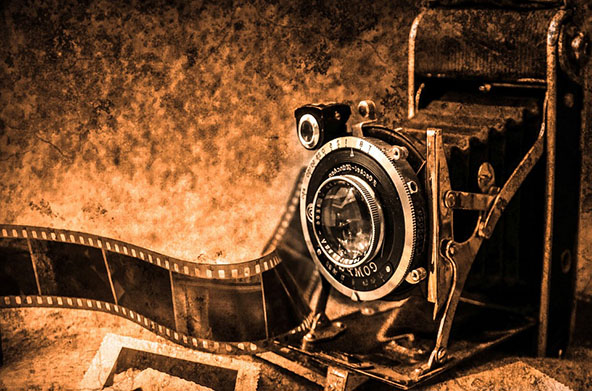
- Fotografia: Captura de imagens por meio de dispositivos ópticos, como câmeras, para registrar momentos ou criar obras artísticas.
- Escultura: Arte de criar formas tridimensionais a partir de materiais como pedra, metal, madeira, argila, entre outros.
- Arte digital: Utilização de tecnologias digitais para criar obras de arte, como ilustrações, animações, design gráfico, entre outras formas de expressão visual.
A arte de desenhar: uma expressão única e pessoal
O ato de desenhar é muito mais do que simplesmente colocar traços no papel. É uma forma de expressão única e pessoal, que permite ao artista transmitir suas emoções, pensamentos e experiências de uma maneira visual e tangível. Através do desenho, podemos explorar nossa criatividade, desenvolver nossa habilidade técnica e comunicar mensagens complexas de forma simples e direta.
A arte de desenhar é uma forma de expressão que permite transmitir emoções, pensamentos e ideias através de traços e formas. É uma habilidade que requer prática, paciência e criatividade para ser desenvolvida e aperfeiçoada. Desenhar não se limita apenas a reproduzir o que vemos, mas também a interpretar e representar o mundo de forma única e pessoal.
Cada traço, sombra e detalhe em um desenho carrega consigo a essência do artista, sua visão de mundo e sua forma de se expressar. Através do desenho, podemos explorar nossa imaginação, experimentar novas técnicas e estilos, e nos conectar com nossa criatividade interior.
Portanto, a arte de desenhar vai muito além de simplesmente colocar lápis no papel – é uma forma de comunicação visual que nos permite expressar quem somos, o que sentimos e como vemos o mundo ao nosso redor. É uma maneira de dar vida às nossas ideias e emoções, tornando o mundo mais belo e inspirador através do poder do traço e da criatividade.

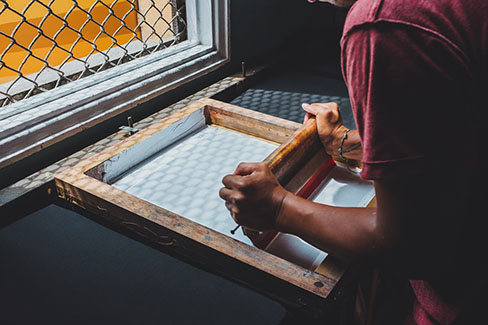 Trabalhar com Photoshop para Serigrafia parecia bastante complicado para diversos profissionais, porém isso acontecia porque não havia um treinamento adequado, com foco nas necessidades do negócio.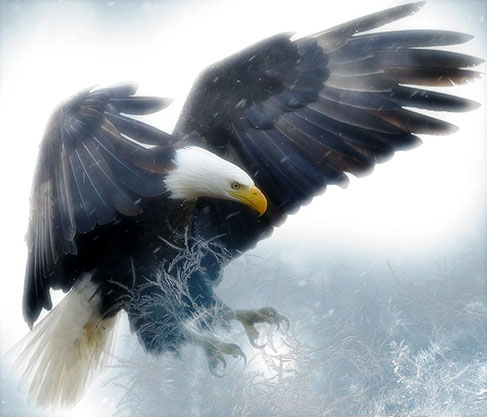
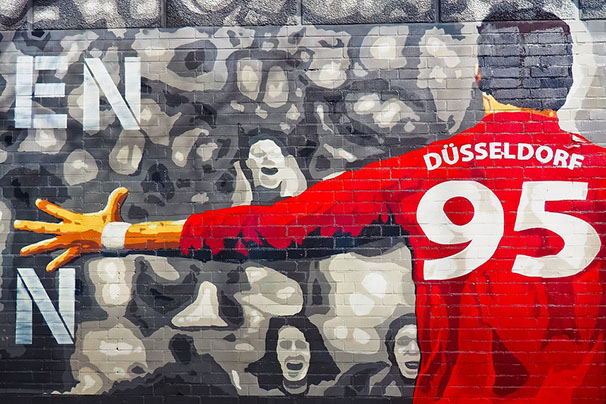

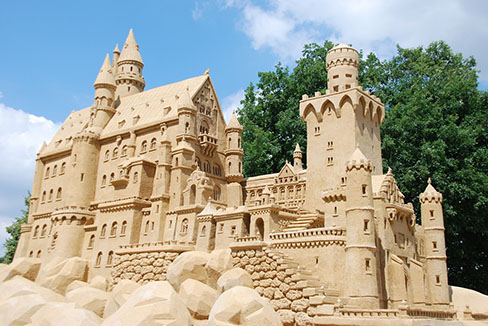 Conseguimos! redigir isso possui um tom de consolação. Porque após vento, chuva, gargalhadas, suspeição a queda de secção de uma paredão, ver o pequeno gigante de 1m20cm de profundeza por por volta de 1m50cm de largura de pé é motivo de orgulho.